Proper maintenance of surgical instruments is crucial for their longevity and effectiveness. Many healthcare professionals overlook this aspect. However, understanding how to maintain surgical instruments for long term use can make a significant difference in patient safety and operational efficiency.
Regular cleaning and sterilization are fundamental practices. Instruments must be carefully inspected after each use. Dirt and organic material can compromise their effectiveness. Small issues can lead to larger problems down the road. Persistent neglect can lead to costly repairs or replacements. It’s important to recognize this and ensure consistent upkeep.
Additionally, proper storage is vital. Instruments should be kept in designated, clean areas. This prevents damage and contamination. Investing time in training staff on maintenance protocols is equally important. Not all staff may understand the intricacies involved. Continuous education can help bridge this gap and improve overall instrument care practices.
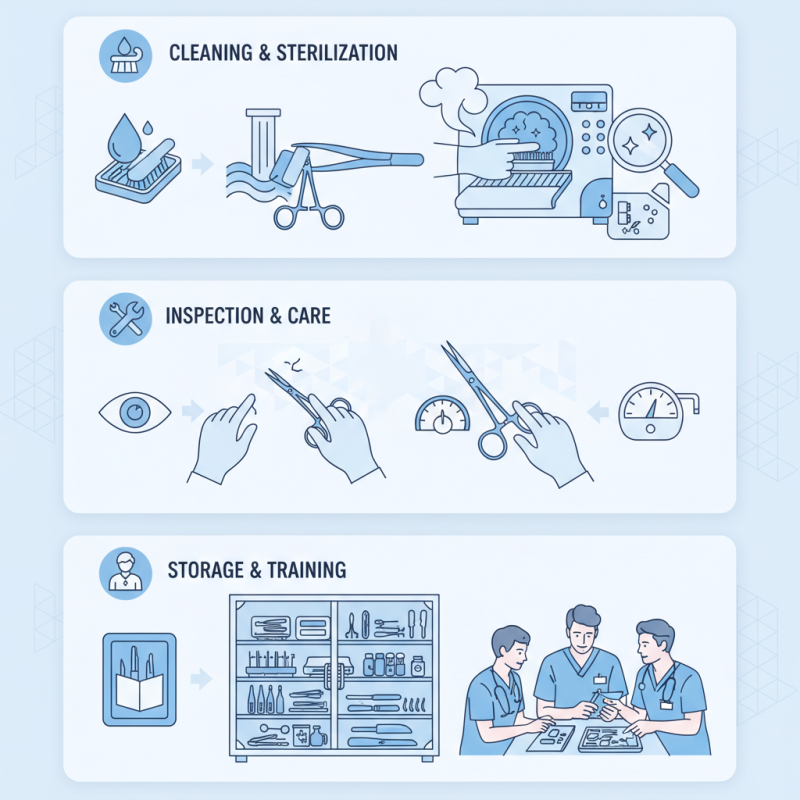
Surgical instruments are the backbone of successful medical procedures.
Their maintenance is crucial for lasting performance and patient safety. Neglecting proper care can lead to rust, dull blades, and compromised sterilization.
Regular cleaning and inspection are necessary to ensure that each tool functions optimally.
This routine reduces the risk of infections and other complications during surgeries.
Understanding how to maintain these instruments requires expertise. Each type of tool has specific cleaning methods.
Some need ultrasonic cleaners, while others may only require mild detergents.
Improper cleaning may not remove all contaminants. It’s essential to have a structured maintenance protocol.
Regular training for staff on the importance of this care can improve outcomes and awareness.
Common mistakes often include using harsh chemicals or skipping maintenance checks. These oversights can damage instruments, leading to procedures being delayed or necessitating replacements.
A thorough inventory system can help track instrument conditions. Regular reviews should highlight any issues and prevent future mishaps.
With diligent attention, surgical instruments can provide years of reliable service, enhancing overall surgical success.
Proper daily care of surgical instruments is crucial for their longevity and
effectiveness. Cleaning techniques should be thorough. Begin by rinsing instruments in cold water to
prevent debris from drying. Hot water can set stains and blood,
making removal difficult. Use a soft brush to scrub surfaces, paying special attention to hinges and serrations.
It is essential to avoid abrasive sponges. They can scratch surfaces, leading to corrosion over time.
After scrubbing, soak instruments in a neutral pH cleaning solution.
Ensure adequate coverage and follow manufacturer instructions for dilution. This soaking process helps to dissolve
residual organic material and disinfects the instruments. Rinse them again
in warm water to remove any cleaning solution. Drying
should be done with a lint-free cloth. Leaving instruments wet can foster bacterial growth.
Many tend to overlook these steps in a busy surgical setting. Rushing can lead to incomplete cleaning, affecting
instrument performance. Implementing a checklist may help ensure these
steps are consistently followed. Regular training sessions can reinforce the importance of these cleaning
techniques and help staff recognize the value of properly maintained instruments.
Proper storage is crucial for maintaining surgical instruments. Organizing these tools properly can contribute significantly to their longevity. Instruments should be cleaned and dried thoroughly before storage. Any residual moisture can lead to rust or corrosion.
Create a well-defined space for each type of instrument. Group similar items together. This not only enhances efficiency but also minimizes the risk of damage. Use trays or containers that are specifically designed for storage, ensuring they are adequately labeled.
Tips: Regularly assess your storage methods. Are they working as intended? Make necessary adjustments to accommodate new instruments. Ensure that instruments are arranged to avoid sharp edges touching other tools. This can prevent dulling or chipping. Remember, a well-organized storage system reflects a commitment to quality in surgical practices.
| Instrument Type | Recommended Storage Method | Cleaning Frequency | Longevity Tips |
|---|---|---|---|
| Scissors | Store in a dedicated instrument tray with dividers | After each use | Keep dry and lubricate joints regularly |
| Forceps | Use a designated cabinet with UV sterilization | Before and after procedures | Ensure proper alignment and avoid excessive pressure |
| Scalpel Handles | Store in a locked drawer to prevent damage | After each use | Regularly check for nicks and wear |
| Needle Holders | Utilize instrument trays with anti-rust coating | After every surgery | Avoid dropping and clean after each use |
| Electrocautery Pens | Store in protective cases in a climate-controlled area | Before and after use | Inspect cables for frays and ensure proper calibration |
Periodic inspection is crucial to maintain surgical instruments effectively. Regular checks help identify signs of wear and tear. Instruments subjected to excessive use may develop dull edges or corrosion, impacting their performance. Studies show that 30% of surgical instruments fail quality checks due to wear-related issues. It’s essential to address these concerns promptly to ensure patient safety and surgical effectiveness.
[图片] Inspect instruments after each use. Look for visible damage, such as scratches or discoloration. Pay attention to the functionality of moving parts. If they feel stiff, maintenance is necessary. Routine inspections can significantly extend the life of these vital tools.
Tips for optimal maintenance include cleaning instruments meticulously to remove blood and tissue residues. Use appropriate cleaning solutions that don't cause damage. Regularly sharpen cutting instruments to keep them effective. Also, consider creating a checklist for inspections to ensure no aspect is overlooked. Remember, neglecting these tasks can lead to compromised surgical outcomes. Regularly reflect on your inspection process. Are you thorough enough? Keeping instruments in top condition relies on diligence and attention to detail.
Sterilization is crucial for the longevity and safety of surgical instruments. Proper techniques directly impact infection control and patient outcomes. According to the World Health Organization, inadequate sterilization contributes to 50% of healthcare-associated infections. Striving for effective sterilization methods can prevent unnecessary complications.
Utilizing steam sterilization, also known as autoclaving, is one of the best practices. This method uses high-pressure steam to kill microorganisms. Instruments should be cleaned thoroughly before sterilization. Organic materials can interfere with the process. Be sure to follow the manufacturer's guidelines on time and temperature.
**Tip:** Use indicators to verify the sterility of your instruments. Chemical indicators change color after exposure to steam.
Ethylene oxide gas sterilization is another effective method for heat-sensitive instruments. It penetrates even the smallest crevices and ensures complete sterilization. However, it requires longer aeration times to remove toxic residues. Monitoring the concentration and humidity levels is essential.
**Tip:** Regularly check and maintain sterilization equipment for optimal performance. Unattended issues can lead to unreliable results and instrument damage.
Attention to sterilization practices not only prolongs the life of surgical instruments but also enhances overall patient safety. It's imperative to review and improve sterility processes continuously.
: Maintenance ensures tools perform well and keeps patients safe. Neglecting care can lead to serious issues.
Instruments should be cleaned regularly. Regular inspections can prevent rust and maintain performance.
Cleaning methods vary. Some tools require ultrasonic cleaners; others may need mild detergents.
Mistakes include using harsh chemicals and skipping maintenance checks. These can damage instruments.
Clean and dry instruments before storage. Group similar tools together in well-defined spaces.
Use labeled trays designed for storage. Avoid sharp edges touching to prevent damage.
Ineffective storage can lead to damage and reduce tool lifespan. Regular assessments are essential.
Training increases awareness about care. Improved understanding can lead to better outcomes and fewer errors.
Implement a thorough inventory system. Regular reviews can highlight issues and prevent mishaps.
Signs include rust or dull blades. Any irregular functioning indicates it’s time for maintenance.
Maintaining surgical instruments is crucial for ensuring their longevity and safe use in medical settings. Understanding the importance of surgical instrument maintenance is the first step toward effective care. Daily cleaning techniques should involve thorough washing, drying, and inspection to prevent contamination and damage. Proper storage is equally vital; organizing instruments in a manner that protects them from physical trauma extends their functional life.
Periodic inspections are necessary for identifying wear and tear, allowing for timely repairs or replacements. Lastly, implementing best practices in sterilization methods not only maintains the integrity of the instruments but also ensures patient safety. In summary, knowing how to maintain surgical instruments for long term use can significantly enhance their performance and reliability, ultimately contributing to better patient outcomes.

LeienCare Tech