The quality of surgical instruments significantly impacts patient outcomes and medical procedures. Understanding what factors affect the quality of surgical instruments is crucial for manufacturers, surgeons, and healthcare providers. Dr. Sarah Thompson, a leading expert in surgical technology, once stated, “The precision and reliability of instruments can make or break a surgical procedure.” Her insights highlight the importance of focusing on quality in this field.
Several factors contribute to the overall quality of surgical instruments. Materials used in manufacturing play a vital role. High-grade stainless steel or titanium often results in durability and resistance to corrosion. Furthermore, the production process, including precision machining and rigorous quality control, can affect performance. Instruments must also be designed for comfort and usability, which enhances their effectiveness during surgeries.
However, not all manufacturers prioritize these elements. Some may cut corners to reduce costs, leading to inferior products. Such decisions can jeopardize patient safety, creating a ripple effect in healthcare outcomes. As the industry evolves, it’s imperative to continuously evaluate these influencing factors. The pursuit of excellence in surgical instrument quality remains a collective responsibility.
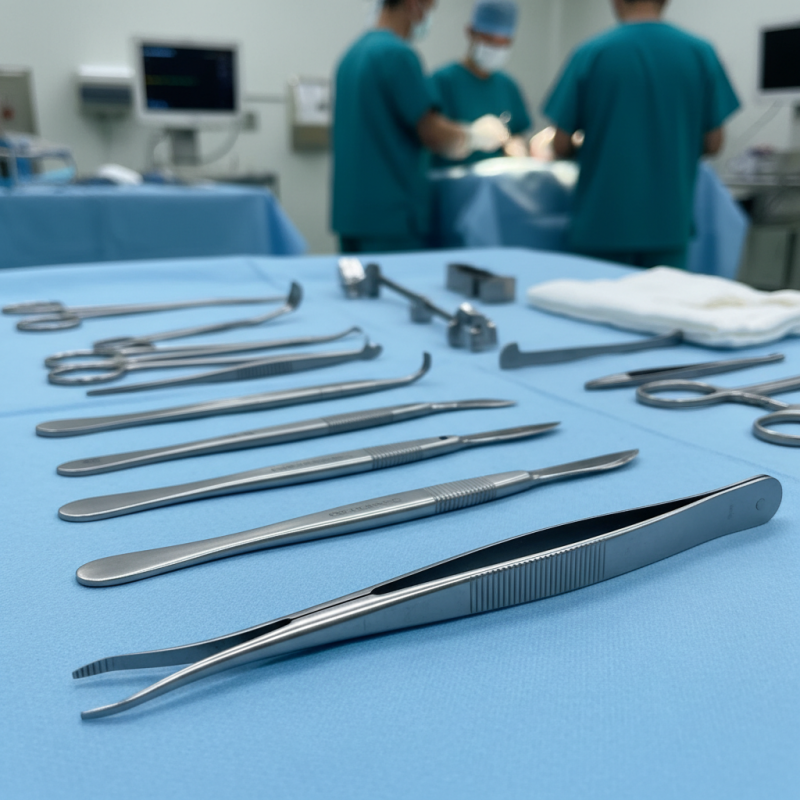
Types of Surgical Instruments and Their Specific Requirements
Surgical instruments come in various types, each with specific requirements that influence their quality. For instance, scalpels and scissors require precision cutting edges, while forceps rely on strong grips. Each instrument must be made from materials that resist corrosion and withstand sterilization processes. Reports indicate that instrument failure can compromise surgical outcomes, underscoring the importance of reliable designs and manufacturing standards.
A key aspect to consider is the material choice. Stainless steel is widely preferred due to its strength and resistance to rust. However, not all stainless steel is created equal; instruments must undergo proper heat treatment to achieve optimal hardness. The International Organization for Standardization (ISO) emphasizes the need for quality control measures in instrument production. Instruments failing to meet ISO standards may lead to unexpected surgical complications.
Tips: Always inspect instruments before use. Look for signs of wear or damage. Proper maintenance extends their lifespan and ensures patient safety. Regular training on instrument handling can also minimize risks associated with improper use. Reflect on the accountability of manufacturers to provide well-crafted tools that meet stringent safety standards. Regular audits of instrument quality can reveal lapses in manufacturing that might otherwise go unnoticed.
Materials Used in Manufacturing Surgical Instruments
The quality of surgical instruments heavily depends on the materials used in their production. Stainless steel is the most common material due to its corrosion resistance and strength. According to the World Health Organization (WHO), about 65% of surgical instruments are made from stainless steel. This material maintains sharpness and is easier to sterilize, but it can become brittle if not properly treated.
Other materials like titanium and ceramics are used for specialized instruments. Titanium is lightweight and highly resistant to corrosion. However, it can be more expensive and challenging to machine. Ceramics, while not as common, are valuable for specific applications due to their hardness. A recent report by the FDA highlighted that the use of advanced ceramic materials has increased by 15% in the last five years for precision tools.
Despite advancements, issues still arise. Many instruments suffer from wear and tear, leading to failures during surgical procedures. A study published in the Journal of Surgical Research revealed that improper maintenance can decrease the lifespan of surgical tools by up to 40%. This statistic underscores the need for careful selection of materials and diligent upkeep to ensure instrument quality and safety in the operating room.
Manufacturing Processes Impacting Instrument Quality
The production of surgical instruments involves various manufacturing processes that significantly affect their quality. Precision forging is a common technique used to shape metal into specific forms. This method ensures strong instruments but may introduce internal stresses. Proper heat treatment can alleviate these stresses and enhance durability. Without adequate control at this stage, even the strongest design may fail.
Another crucial process is the surface treatment of instruments. Techniques like electropolishing can enhance corrosion resistance. However, improper application can lead to surface defects. These flaws not only impair functionality but may also pose infection risks. It's vital for manufacturers to maintain strict quality control measures throughout this phase.
Finally, the assembly of instruments is a pivotal step. Each component must fit seamlessly for optimal performance. Misalignments can lead to instruments that do not function as intended, risking patient safety. Training and expertise in the assembly process are crucial. Continuous monitoring and feedback can help identify issues, improving the overall quality of surgical instruments.
What Factors Influence the Quality of Surgical Instruments? - Manufacturing Processes Impacting Instrument Quality
| Factor |
Description |
Impact on Quality |
| Material Selection |
Choice of metals and alloys affects durability and performance. |
High-quality materials improve longevity and functionality. |
| Manufacturing Technique |
Processes such as forging, casting, and machining influence precision. |
Precision manufacturing leads to better instrument performance. |
| Surface Treatment |
Processes like coating and polishing affect corrosion resistance. |
Improved surface treatment enhances durability and reduces maintenance. |
| Quality Control |
Inspections and testing protocols ensure compliance with standards. |
Rigorous quality checks prevent defects and enhance trust in instruments. |
| Ergonomic Design |
Instruments designed for comfort improve usability during surgeries. |
Better ergonomics can lead to more efficient and precise surgical outcomes. |
| Research and Development |
Investment in R&D fosters innovation in surgical tools. |
Advanced designs can improve surgical procedures and patient recovery. |
Maintenance Practices for Ensuring Longevity and Performance
Proper maintenance practices are crucial for surgical instruments. Regular cleaning, disinfection, and inspection play significant roles in preserving their quality. A report from the Association for the Advancement of Medical Instrumentation highlights that improperly maintained instruments can lead to increased infection rates, impacting patient safety and surgical outcomes. Regular audits of instrument performance can identify potential issues early, preventing costly replacements and ensuring optimal functionality.
An essential aspect of maintenance is following established protocols. For instance, ultrasonic cleaning effectively removes blood and tissue residues. A study by the American Journal of Infection Control states that ultrasonic cleaning reduces bioburden by up to 90%. However, personnel must be adequately trained in these methods. Lack of training often results in errors, compromising instrument quality. Metrics suggesting that 30% of surgical instruments fail to meet re-processing standards underline the need for constant diligence.
Long-term performance depends on storage conditions as well. Instruments must be stored in a controlled environment, away from excessive moisture or temperature fluctuations. The National Center for Biotechnology Information found that improper storage can decrease an instrument's lifespan by 50%. Addressing these factors is not always prioritized, leading to frequent replacements and heightened costs for healthcare facilities. Continuous evaluation and improvement of maintenance practices remain essential for ensuring the longevity of surgical instruments.
Regulatory Standards and Certifications for Surgical Instruments
Regulatory standards play a significant role in the quality of surgical instruments. These standards ensure that the tools used in surgeries are safe and effective. Organizations establish certifications to validate that a product meets specific safety and performance criteria. Meeting these criteria often requires rigorous testing.
Manufacturers must follow strict guidelines during production. This includes materials selection, design, and quality control processes. Even minor deviations can lead to significant outcomes. If an instrument fails to meet the standards, it could compromise patient safety.
Certifications can vary by region, reflecting different healthcare needs. This complexity can create confusion. Some countries may prioritize certain aspects, while others focus on different requirements. This lack of uniformity challenges manufacturers striving to meet global standards. The dynamic nature of these regulations demands constant review and adjustment from companies. A commitment to quality and compliance is essential.
Conclusion
The quality of surgical instruments is influenced by a variety of factors, including their types, materials, manufacturing processes, maintenance practices, and regulatory standards. Different types of surgical instruments have specific requirements that dictate their design and functionality, ensuring they meet the needs of various surgical procedures. The materials used in their production are critical, as they must offer durability, corrosion resistance, and biocompatibility.
Manufacturing processes also play a significant role; precision in fabrication and adherence to quality control standards are essential for producing reliable instruments. Additionally, regular maintenance practices contribute to the longevity and performance of surgical instruments, ensuring they remain effective throughout their use. Finally, compliance with regulatory standards and certifications ensures that instruments meet the safety and quality benchmarks required in the healthcare industry. Thus, understanding what factors affect the quality of surgical instruments is essential for medical professionals seeking to ensure optimal surgical outcomes.

 LeienCare Tech