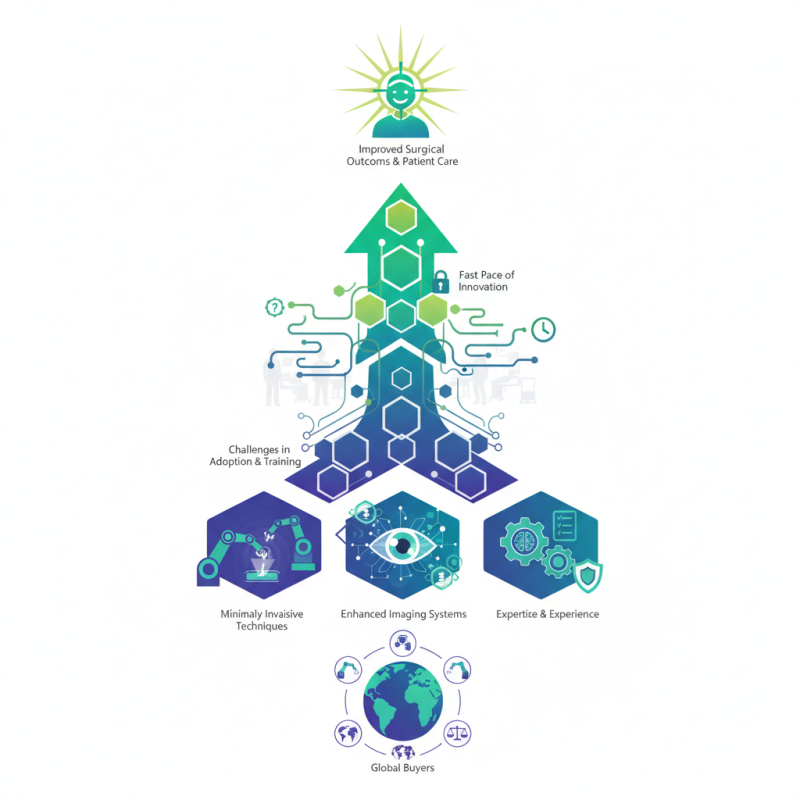
In recent years, the landscape of surgical technology has evolved significantly. For global buyers, understanding what are the latest trends in surgical technology is crucial for making informed decisions. These trends showcase innovative advancements that promise to enhance surgical outcomes and patient care.
From robotic-assisted surgeries to minimally invasive techniques, new tools and technologies are setting benchmarks. Enhanced imaging systems are also improving precision during complex procedures. However, challenges remain in achieving widespread adoption and training for medical staff. The fast pace of innovation can be overwhelming, leaving some healthcare providers unsure about the best routes forward.
As we explore these trends, it's vital to recognize both their potential and the hurdles in implementation. This dynamic field combines expertise and experience, paving the way for better surgical practices. Buyers must remain aware of emerging developments, opportunities, and any associated risks as they navigate this evolving market.
Robotic surgery in China is experiencing rapid advancements. Hospitals are increasingly adopting sophisticated robotic systems. These systems enhance precision during surgeries, which can lead to better patient outcomes. Surgeons are finding that they can operate with greater control and minimal invasiveness. This not only reduces recovery time but also lessens the risk of infection.
Innovations are emerging in various surgical domains. For instance, robotics in orthopedic surgery is gaining traction. Surgeons can perform knee replacements with enhanced accuracy. However, the integration of robotics is not without challenges. The learning curve can be steep for many medical professionals. Training programs are essential, yet they can be resource-intensive. Additionally, the high costs of robotic systems may limit access for some hospitals.
Developments in artificial intelligence are also shaping robotic surgery. AI can assist in preoperative planning and real-time decision-making. This technology holds promise but requires careful validation. Ensuring safety and reliability is paramount. Continuous evaluation of these innovations will further enhance surgical practices in China, guiding future trends in global healthcare.
| Trend | Description | Impacts on Surgery | Potential Challenges |
|---|---|---|---|
| Robotic-Assisted Surgery | Advanced robotic systems improving precision in various surgeries. | Reduced recovery times and enhanced surgical accuracy. | High costs and need for specialized training. |
| Minimally Invasive Techniques | Techniques that reduce incision size and improve recovery. | Lower risk of infection and quicker patient turnover. | Requires advanced imaging and instrumentation. |
| Artificial Intelligence Integration | Utilizing AI for pre-operative planning and intraoperative assistance. | Improved diagnostic accuracy and surgical outcomes. | Data privacy concerns and implementation complexity. |
| Tele-surgery | Remote surgery facilitated by high-speed internet and advanced robotics. | Access to surgical expertise in remote locations. | Technology reliability and latency issues. |
: Robotic surgery enhances precision, leading to better patient outcomes. It also reduces recovery time and infection risks.
The steep learning curve and high costs of robotic systems are major challenges. Training can be both intensive and resource-heavy.
AI assists in preoperative planning and real-time decision-making. However, ensuring its safety and reliability is crucial.
Patients prefer less scarring and quicker recovery times. Surgeons value the precision that minimally invasive devices provide.
Slow adoption of technology and training gaps create challenges. Smaller hospitals may struggle with funding for new equipment.
Training is essential for using advanced surgical tools. However, inconsistent training can create a knowledge gap among users.
High costs and complex integration with existing workflows can hinder adoption. Budget constraints affect acquisition and maintenance efforts.
Continuous research and development will drive innovation. The journey is promising, yet barriers must be addressed.
Orthopedic surgery, especially for knee replacements, is utilizing robotic advancements. However, not all facilities can access these technologies.
Demand for safer alternatives and technological advancements are key. Overcoming existing challenges will be vital for improved patient outcomes.
China is witnessing significant advancements in surgical technology, particularly in robotic surgery, which is becoming increasingly sophisticated and efficient. What are the latest trends in surgical technology? Notably, there is a marked increase in the adoption of minimally invasive surgical devices, aimed at enhancing patient outcomes and reducing recovery times. Additionally, the integration of artificial intelligence is transforming surgical procedures, providing surgeons with advanced tools for precision and decision-making.
Furthermore, trends in surgical navigation systems are gaining traction, allowing for improved accuracy and safety during operations, with a growing global acceptance of these technologies. Nonetheless, the surgical technology landscape in China faces regulatory challenges, which also present opportunities for innovation and growth. Overall, the synergy of these trends positions China as a key player in the evolving field of surgical technology.

 LeienCare Tech